// 01, The Robot
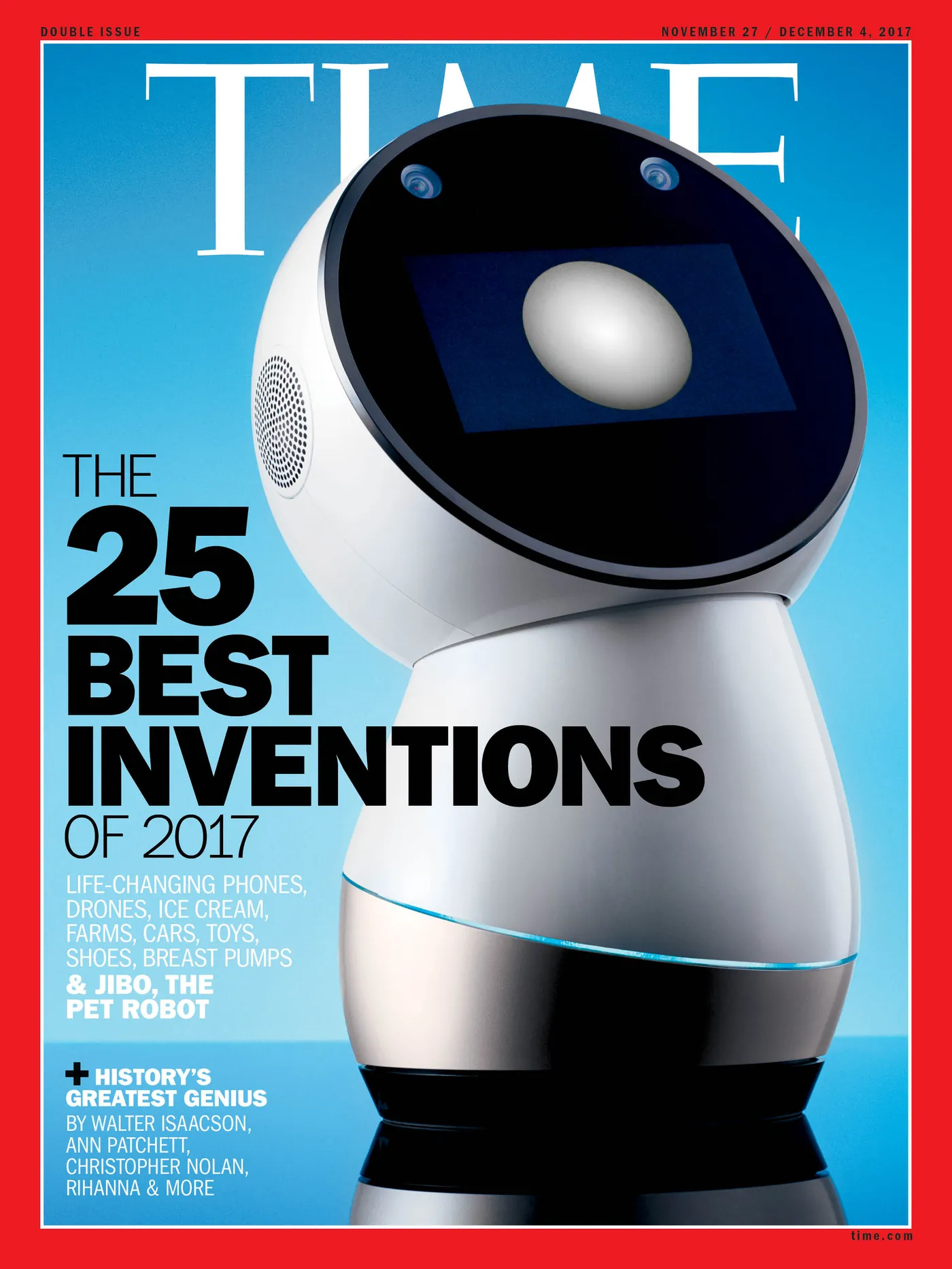
A TIME-best social robot. Thousands of units. Some came back.
Jibo is a social robot that earned a place on TIME magazine’s Best Inventions of 2017 list. Using advanced Natural Language Understanding, speech recognition, and facial recognition, Jibo can recognize up to 16 different people and build personalized interactions with each of them. At the time of its release, it was one of the most technically sophisticated consumer robots ever brought to market.
Thousands of units came off the manufacturing line. Some came back.
// 02, The Challenge
A trained engineer spending an hour on every returned unit doesn’t scale.
When robots are returned to a service and remanufacturing center, someone has to figure out what’s wrong with them. Jibo’s existing process required a trained engineer to manually evaluate every unit, checking motors, touchscreen, sensors, WiFi radio, and the rest of the system by hand.
At low volumes that’s manageable. At the volume Jibo was operating, it was a bottleneck that cost time, delayed service, and made it nearly impossible to identify patterns in why units were being returned. If the same component was failing across hundreds of units, the manual process was too slow to surface it.
Jibo needed a system that could do in minutes what was taking an engineer an hour, and do it consistently, every time, without requiring someone who understood the robot’s internals to run it.
// 03, What Geisel Built
Python + Raspberry Pi + Jibo’s APIs, running 20+ tests per unit.
Automated Remote Testing Platform for Returned Robotics Units
Geisel developed a full Python application running on a Raspberry Pi installed at the service and remanufacturing facility. The application remotely tested each returned Jibo unit through a sequence of more than 20 automated functional checks covering motors, touchscreen, sensors, WiFi radio, and every other aspect of the robot’s functionality.
The system interfaced with Jibo’s APIs to run its test sequences while keeping the devices secure throughout the process. Factory workers with no specialized robotics knowledge could run the full test suite and receive immediate, clear feedback on whether a unit was functioning correctly or where it was failing.
A trained engineer was no longer required to evaluate every unit. The software did it instead.
Clear GUI, Database Structure, and Result Logging
Geisel built the database structure and a simple, clear GUI alongside the testing application. Test results were logged for every unit, giving Jibo the ability to track return reasons over time, identify recurring failure patterns, and address underlying product issues before they compounded.
That tracking capability changed what the service center could do with its data. It wasn’t just testing units. It was building a picture of why units were coming back.
// 04, The Result
A 92% reduction, and a data layer for the first time.
Testing time per unit dropped from one hour to under five minutes, an impressive 92% reduction. Factory workers who had never evaluated a robot before could run a complete functional assessment and know immediately whether the unit was ready for remanufacturing or needed further attention.
The company could now track why units were being returned, identify patterns, address root causes, and process service requests faster. The downstream effects, including faster service, higher customer retention, and reduced losses, all followed from one thing: knowing what was wrong before spending time fixing it.
A service operation processing thousands of returns can’t afford an hour per unit. Geisel got it to five minutes. Everything else, faster service, better tracking, higher retention, followed from that.
Jibo · Service & Remanufacturing