Medical device manufacturers, surgical robotics companies, and healthcare automation innovators trust Geisel Software to engineer the embedded systems, autonomous decision software, and connected platforms behind the devices their patients depend on.
The software that runs a wellness app isn’t the software that belongs in patient care.
When a pharmacy automation system must dispense 10,000 medications a day without a single error, when a surgical robot must translate a clinician’s intent into millimeter-precise motion, when a connected medical device must operate flawlessly in a patient’s home for years, failure is not an option.
That’s the environment we engineer for.
Geisel Software develops software for medical devices, medical robotics, and healthcare automation systems where reliability is inseparable from safety. Our teams build embedded firmware for regulated devices, surgical and pharmacy automation platforms, connected healthcare systems, and Software as a Medical Device (SaMD), all engineered to support FDA submission requirements and the realities of clinical use.
We are 100% US-based. For medical device manufacturers navigating HIPAA, FDA submissions, cybersecurity requirements, and long product lifecycles, that means working with a software partner whose engineers, infrastructure, and accountability remain entirely within US jurisdiction.
We call our standard High-Consequence Software. Zero-Failure Engineering.
Because in healthcare, software doesn’t just support the experience. It supports the outcome.
Whether you’re building a surgical robot, a connected drug-delivery device, or a hospital automation platform, the underlying engineering breaks down the same way: a system has to perceive what’s happening, decide what to do, and act without breaking.
We engineer the software that lets medical systems see, sense, and understand the clinical environment. Computer vision for surgical visualization and verification. Diagnostic imaging analysis. Patient monitoring data fusion. Vision-based pill verification for pharmacy automation. ML-based clinical decision support, including models trained on synthetic medical imaging when patient data is restricted by HIPAA or simply too rare to collect.
Explore Think →We engineer the software that turns sensor data into clinical decisions. Surgical robotics motion planning. Autonomous medication dispensing logic. Patient triage and monitoring algorithms. Telepresence navigation in clinical environments. Edge AI inference that runs at the device and supports clinicians in real time.
Explore Decide →We engineer the software that puts clinicians, patients, and operators in command of medical systems they can trust. Surgeon consoles and clinical HMIs designed under IEC 62366. Patient-facing interfaces for home medical devices. Cloud platforms for connected devices and remote patient monitoring. Hospital IT integration: HL7, FHIR, EMR connectivity, secure device management.
Explore Act →Modern medical systems use all three. We build all three to the standards FDA submission requires.
Software for surgical robots, telepresence platforms, and medical robotic systems, where motion planning, perception, and clinician interfaces meet at millimeter precision and clinical-grade reliability.
Embedded systems and software for medication management, pharmacy automation, and clinical workflow systems, where dosing accuracy and operator clarity aren’t optional.
Edge-to-cloud platforms for connected medical devices, remote patient monitoring, and Software as a Medical Device (SaMD), designed to FDA cybersecurity guidance and IEC 62304 software lifecycle practice from day one.
Touch interfaces, surgeon consoles, and patient-facing software designed under IEC 62366 usability engineering, built so the clinicians and patients who use them can trust them.
Every line of code we ship has to survive the patient encounter. That means it can’t fail in surgery. It can’t dose incorrectly. It can’t lose track of the patient it’s monitoring. And it can’t show up to an FDA submission without the documentation, traceability, and process discipline the agency expects.
That standard is built into who we hire and how we work.
Our engineers have written software for medical robotics, pharmacy automation, hospital telepresence, and industrial medical equipment. They hold the deep expertise that doesn’t transfer easily: ROS and ROS2, real-time embedded systems, IEC 62304 software lifecycle practice, secure connectivity for connected devices, and the integration patterns between medical devices and the hospital IT systems running around them.
We’re 100% US-based. For medical device manufacturers protecting PHI under HIPAA and navigating FDA submissions, that means a software partner whose engineers, infrastructure, and accountability all live within US jurisdiction. No offshore PHI exposure. No distributed-team data-sovereignty risk.

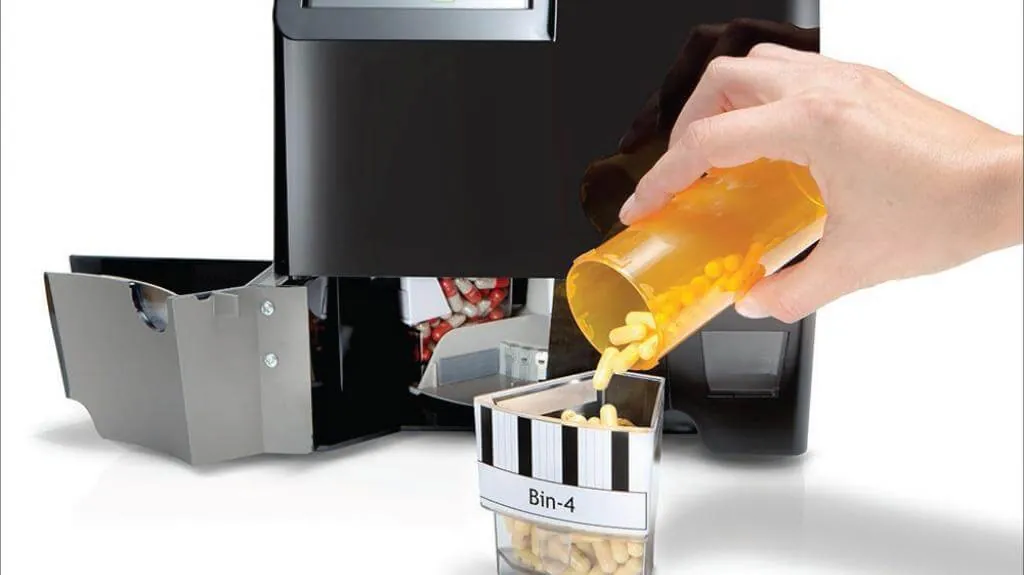
Software for medication management automation, bringing precision and reliability to a domain where dosing errors aren’t acceptable.
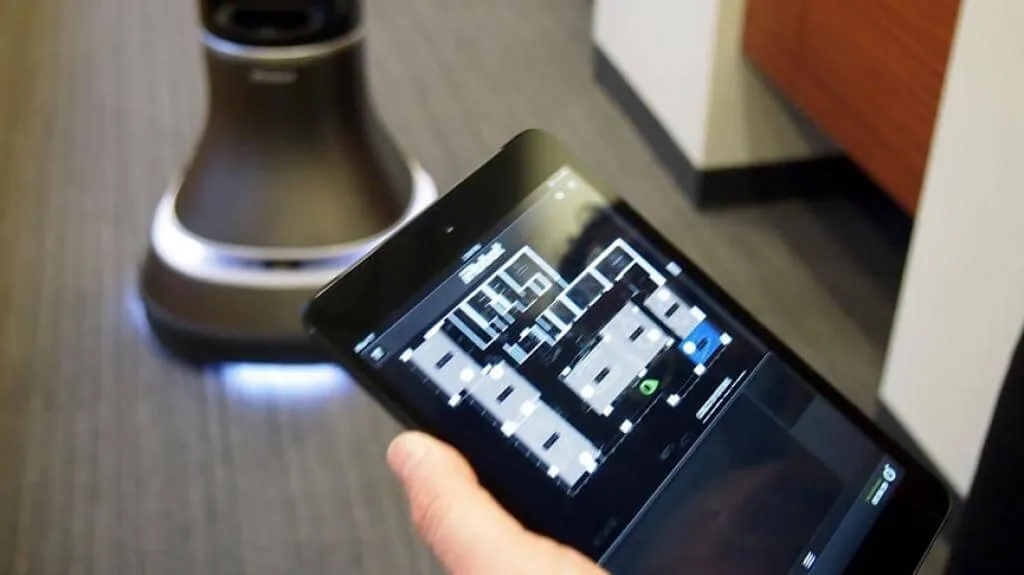
An on-robot web application that replaced a clunky text-based interface with a wizard-driven configuration console worthy of a top-tier mobile robotics platform.
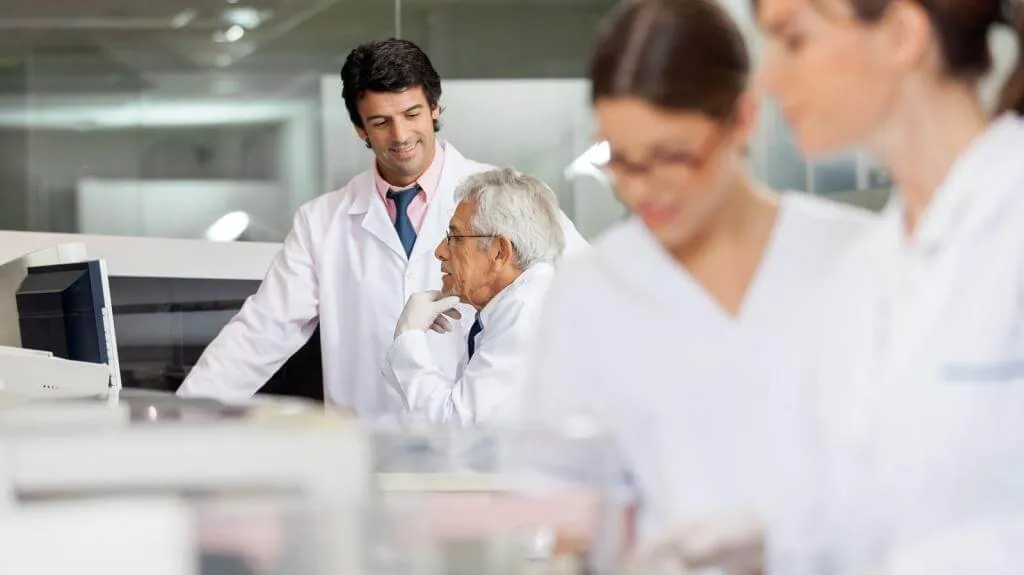
A modern Android interface for a diagnostic device where display errors have patient consequences. Architected for reuse across the manufacturer’s product line and shipped ahead of launch.
Medical device manufacturers, surgical robotics companies, and healthcare automation innovators trust us with the systems that touch their patients, and the data those systems generate. We meet that trust with the credentials and process discipline the regulated medical industry expects:
We engineer directly for medical device manufacturers, surgical robotics companies, healthcare automation manufacturers, SaMD developers, and clinical innovators. Whether you’re building a Class II device toward 510(k), scaling a surgical robotics platform, modernizing pharmacy or lab automation, or developing a connected device with SaMD components, we’d like to talk.
How customers typically work with us: