
High-consequence software. Zero-failure engineering. Perception, autonomy, and operator control engineered for NASA missions, Teledyne FLIR, and the world’s largest AMR fleet.
Most software gets a second chance. A bad deployment rolls back. A slow API gets patched. A failed release gets a hotfix. The software we build doesn’t get a second chance, and neither do the systems running it. Our clients don’t measure failures in downtime metrics. They measure them in missions aborted, fleets grounded, patients at risk.
That constraint shapes how we work. How we review. How we test. How we push back. When a design introduces risk the spec didn’t account for, we say so. Zero-failure engineering isn’t an add-on. It’s the first standard we operate by.
Defense & Aerospace. Industry 4.0. Medical Technology. AgTech. Different industries. One standard: zero-failure engineering.
Autonomous coordination for a NASA lunar mission. Real-time embedded control for military UGVs. Warehouse robotics at fleet scale. The pedigree travels to every program.
Strategy. Embedded & real-time. AI, autonomy & robotics. Operator interfaces & mission systems. No handoffs between firms, no integration gaps.
Our entire team is US-based. No offshore IP exposure. Fully compliant with ITAR and defense program security requirements.
We start by verifying you’re solving the right problem. When the cost of a wrong decision is measured in missions, fleets, or patients, the wrong problem solved perfectly is still the wrong outcome.
A principle is only as strong as the methodology that enforces it. The Ground Truth Framework is how we operationalize zero-failure engineering: five named phases that move from problem definition through to deployed software. Surface. Challenge. Map. Engineer. Execute. Every engagement runs this way, regardless of industry or scope.
We write the software that makes complex systems work. Perception that turns sensor input into something a controller can trust. Autonomy that runs on the device when the cloud isn’t reliable, and operator control for the cases where a human stays in or on the loop. Production code for systems where the constraints are real and the deployment isn’t a sandbox, robots, drones, medical devices, unmanned platforms, and the data pipelines and ML systems that support them.
Think (perception, sensor fusion, edge inference), Decide (on-device autonomy, path planning, behavior systems), and Act (operator control, teleoperation, human-machine teaming). Each capability led by engineers who’ve shipped this work into production, not learned it on yours.
Computer vision and CUDA-accelerated inference engineered to run on NVIDIA Jetson, ROS 2, and embedded Linux. The first capability your robot needs is the one that lets it see and understand the world.
explore Think →Path planning, behavior trees, and ROS 2-based autonomy stacks for robots, drones, and connected devices. The decision layer between perception and action, running on the device, not in the cloud.
explore Decide →Operator control software, teleoperation, drone ground control, and on-device execution. The layer where systems perform in the world, autonomously or under operator direction.
explore Act →Sometimes the most important work happens before development begins.
Before budgets are committed and code is written, we help define the right approach. Our Strategic Consulting brings senior engineering judgment to the decisions that shape your system from day one:
The same engineers behind systems for NASA, Teledyne FLIR, and the world’s largest AMR fleets, helping you reduce risk, avoid rework, and move forward with confidence.
Talk to the Team →NASA needed high-fidelity training data to help autonomous rovers navigate Mars. That data couldn’t be collected in the real world. So we built physics-based simulations that generate photorealistic terrain imagery with ground truth built in. That technology became Symage.
Today, Symage generates high-fidelity synthetic image, document, and tabular data with deterministic ground truth built directly into the generation process. Not inferred after the fact. The result: pixel-perfect labels, coherent data relationships, and production-grade training data. Eliminate manual labeling, reduce compliance risk, and cover the edge cases reality rarely provides.

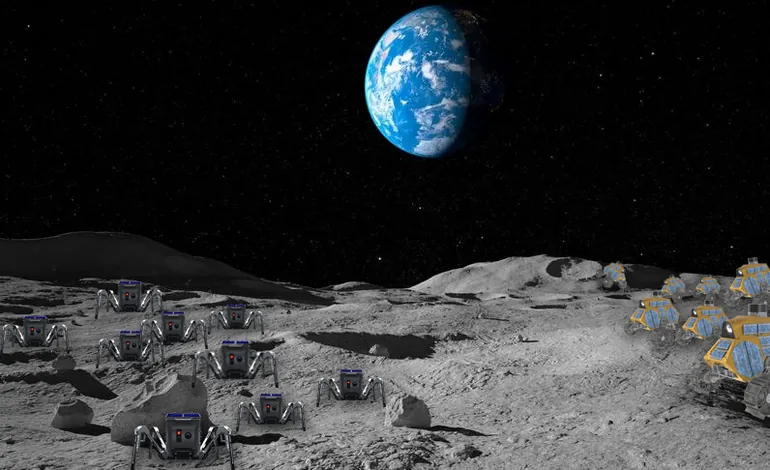
Distributed decision-making on the lunar surface with no GPS, no comm relay, and no margin for failure.
Geisel Software contributed autonomous coordination software to one of NASA’s most ambitious robotic programs, engineered to operate without a second chance.

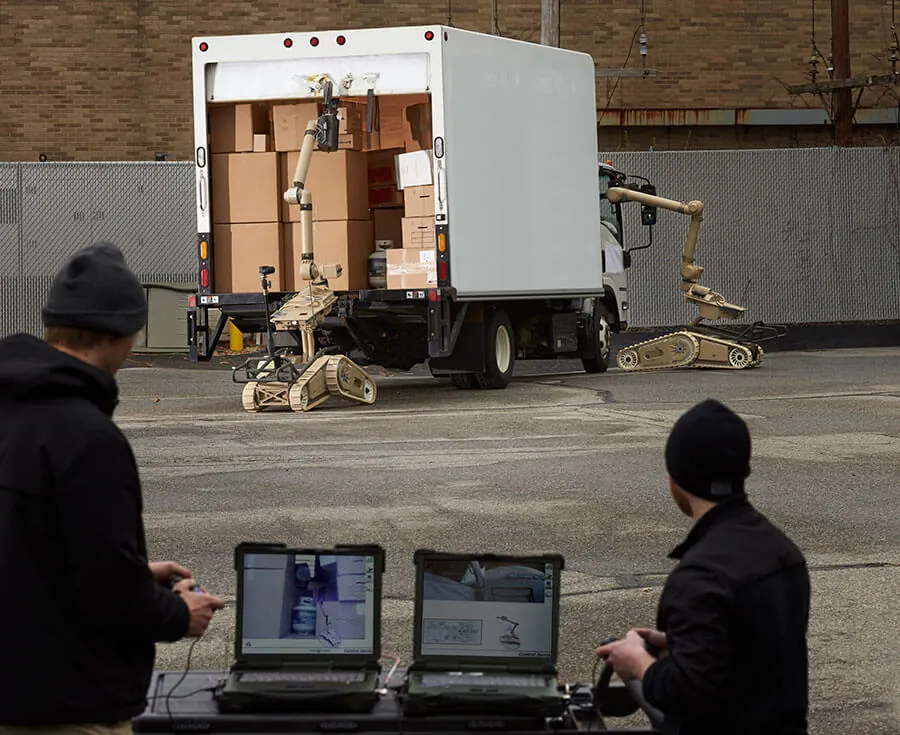
Defense-grade autonomy stack for unmanned ground vehicles. Reliable operation in degraded environments.
One operator. One interface. A complete autonomy layer engineered for platforms that have to perform when conditions degrade, not when they’re ideal.

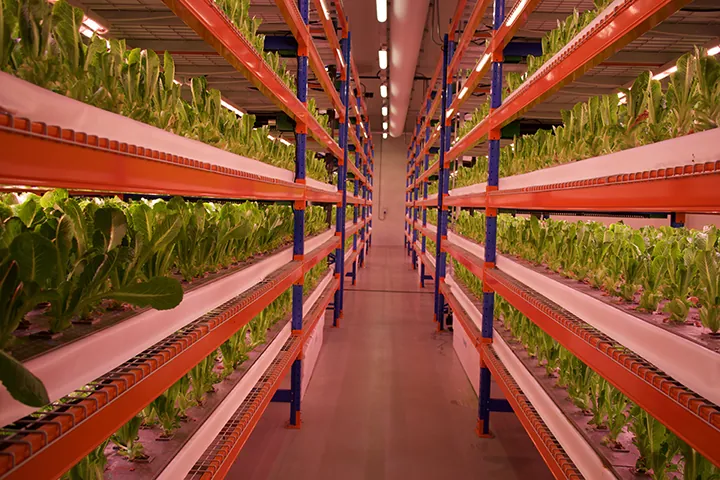
Autonomous process control for ECO 1, a vertical farm operating at industrial scale in Dubai.
The crop doesn’t wait. Our software manages environment, irrigation, harvest, and logistics across the largest vertical farm ever built.

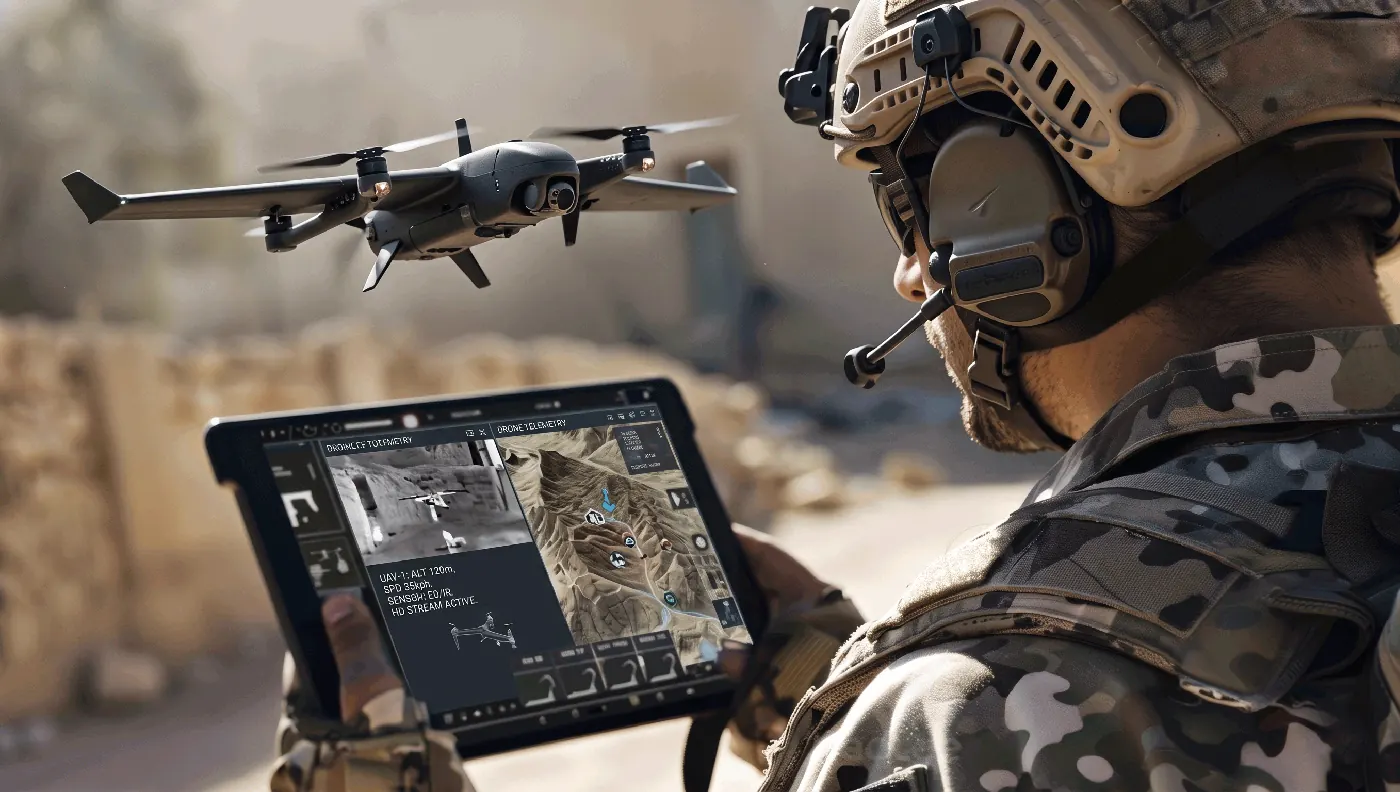
AI-powered situational awareness for first responders. UAVs, sensors, and real-time threat detection.
A single interface that fuses drone feeds, sensor data, and AI-driven threat detection so command can see, decide, and act when every second matters.
We don’t start with scope. We start with the problem: what you’re trying to build, how to de-risk it, and whether there’s a faster, simpler, or more cost-effective path, before a dollar gets committed to a spec. That’s the rigor of a team that’s built and shipped complex systems, repeatedly.