Research, engineering perspective, and practical guidance for software development managers and product owners.

Forward-deployed engineering embeds senior engineers inside your team to ship production systems, not reports. What FDE is, where it came from, why demand has exploded, and how to tell whether you actually need it.
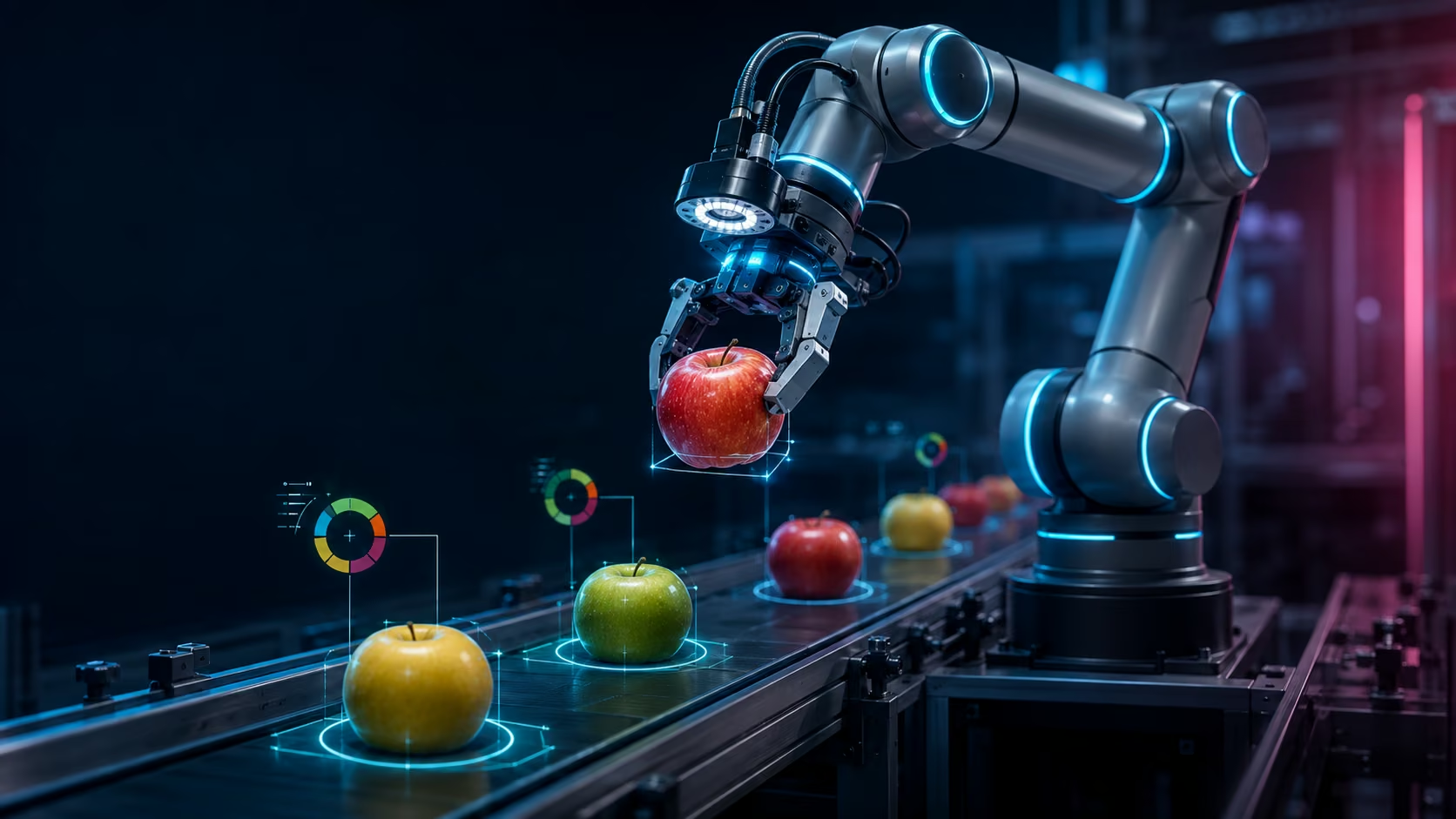
Sorting apples by color produces an impressive demo in hours. Turning that demo into a production line is where the engineering begins. A walk through the full perception-to-motion pipeline, with an interactive 3D simulation you can run in the browser.

Edge AI is transforming how we build intelligent systems, from smart cameras to wearable devices. But there’s a significant gap between running an AI model on a server and deploying it effectively to constrained hardware in the field. A look at the optimization challenges most teams underestimate.

Jensen Huang called it at CES 2025: “The next frontier of AI is physical.” The hard questions software leaders, directors, VPs, and product owners actually have to answer before building these systems.

Once synthetic data becomes part of the workflow, generation speeds up, coverage improves, and storage quietly becomes the bottleneck. Practical strategies for managing it before it derails the program.

I’ve been using AI-assisted coding a lot recently. Was I cheating? How do I know it’s right? Looking at how software development has evolved over time helped answer those questions.

A new $100,000 fee on H-1B petitions is collapsing a talent paradigm U.S. tech teams have leaned on for a decade. Why product velocity and engineering excellence depend on what comes next.
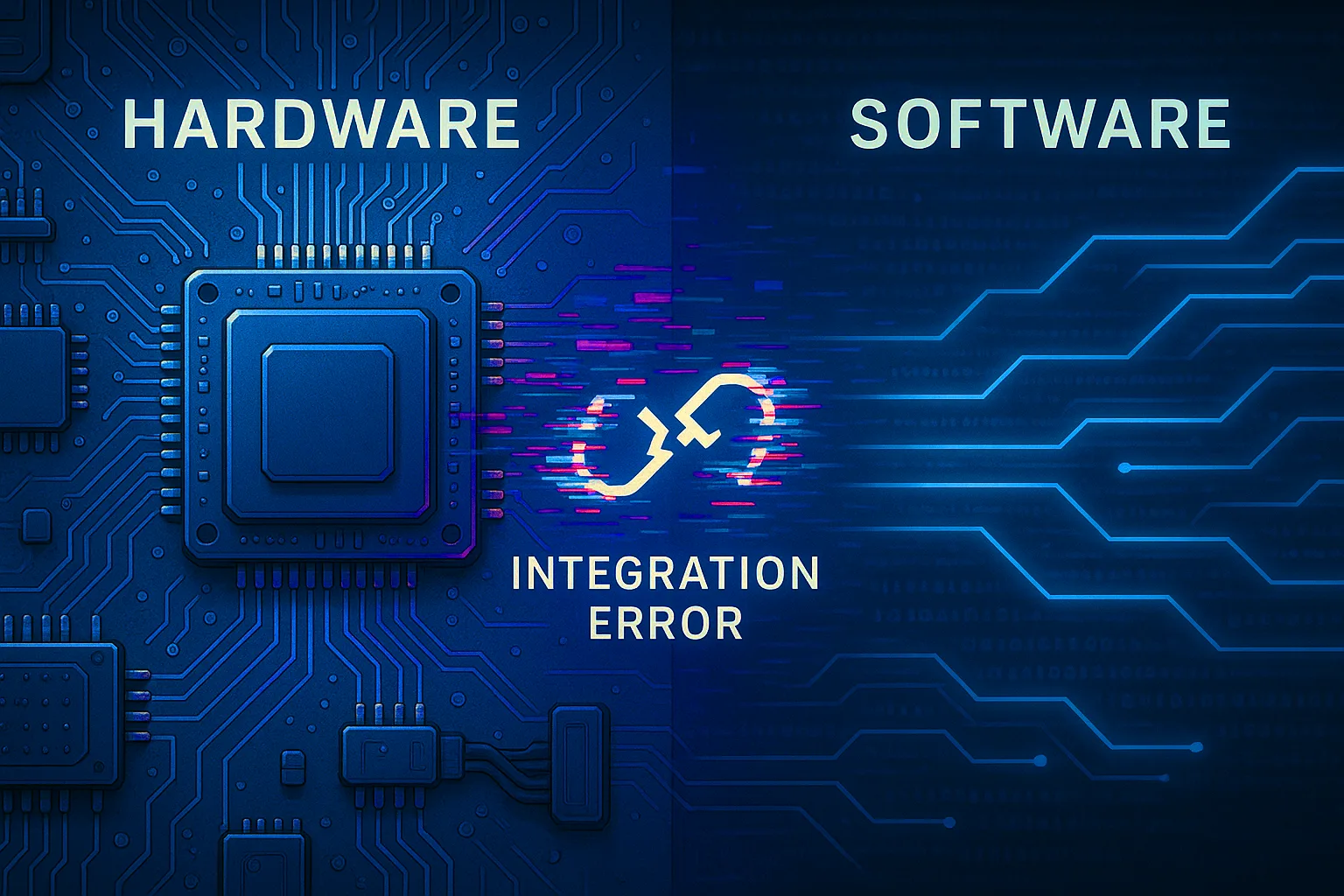
Hardware-software integration isn’t incidental, it can make or break a project. When the two don’t evolve together, even small disconnects derail timelines, budgets, and trust.

Agentic AI describes systems that autonomously set goals, make decisions, and execute tasks without constant human input, a shift from reactive chatbots to proactive, mission-oriented intelligence.

How computer vision lets robots perceive and understand their environments, a key innovation behind Industry 4.0 and the autonomous systems built on top of it.

Password security and defense against rainbow-table attacks. The data-protection methods that hold up against modern hacking techniques.

How synthetic data lets developers test sensors for autonomous vehicles without real-world risks, and what the field results actually look like.

Practical leadership strategies for non-technical leaders navigating software development teams, how to make good calls without the underlying engineering background.

A classic modeling failure in OOP, subclassing pitfalls and the design principles that resolve them.

Coordinating remote software teams across time zones is like synchronizing a cross-country orchestra. Five strategies for keeping the work, and the people, on the same beat.

How to maximize the value of a custom software development partnership, the eight things the strongest outsourced engagements all do.

The business advantages of outsourcing software development, and when bringing in an external team is the right move in a competitive market.

A comparison of development approaches to help organizations choose the right strategy for the work in front of them.

The debate around AI advancement and the potential technological singularity, what’s real, what’s hype, and what changes if it lands.

The pitfalls of misimplemented continuous integration and continuous deployment, and the practices that turn CI/CD from a checkbox into a real velocity multiplier.

FDA legislation now requires security-focused design and maintenance for connected medical devices, what the new rules mean for the engineering teams shipping them.

The advantages of GPU optimization and the tools developers use to leverage GPU processing power in scientific computing, data analytics, gaming, and graphics.

Tools, techniques, and real-world applications for GPU optimization in machine learning and real-time vision systems.

Common misunderstandings about OOP inheritance, what it’s for, what it isn’t, and the patterns that hold up under real-world refactoring.
How to pick the right custom software development company among the many candidates pitching for the engagement, what to look for and what to walk away from.

Rust’s impact on embedded systems programming compared with manual-memory languages like C and C++, and what it changes for the teams shipping firmware.

Strategies for acknowledging, understanding, and managing technical debt, before it compounds into a problem the team can’t engineer its way out of.

The case for web-based approaches to UI development, framed by the historical and practical perspectives that explain why so many teams keep relearning this lesson.
Embedded vision technology integrated into compact systems built from cameras and processing boards, what’s changing and what’s coming next.

The challenges of conducting effective code reviews, and the practices that turn the worst part of an engineer’s week into the most useful one.

Balancing visual appeal, usability, and performance in interface development, the trade-offs that separate UIs that demo well from UIs that work in production.

Why sound architectural foundations matter, and the technical, business, and delivery considerations that determine whether an IoT program ships or stalls.

The expanding attack surface of IoT deployments, and the mitigation strategies that actually hold up at scale.

Guidance for getting an IoT initiative off the ground in a market projected to keep growing through 2034.

How IoT extends past connected homes to enable devices to communicate via embedded software and cloud infrastructure.

Market forecasts for connected devices, and what realistic expectations look like for the IoT industry’s growth curve.

Innovative approaches to career advancement, thought exercises and practical strategies for engineers looking to keep growing.

Real software developers vary widely in work ethic and approach, the five traits that separate the engineers worth keeping from the ones who only look the part.

Practical guidance on identifying qualified software developers in a market where nearly everyone’s resume looks plausible at first glance.